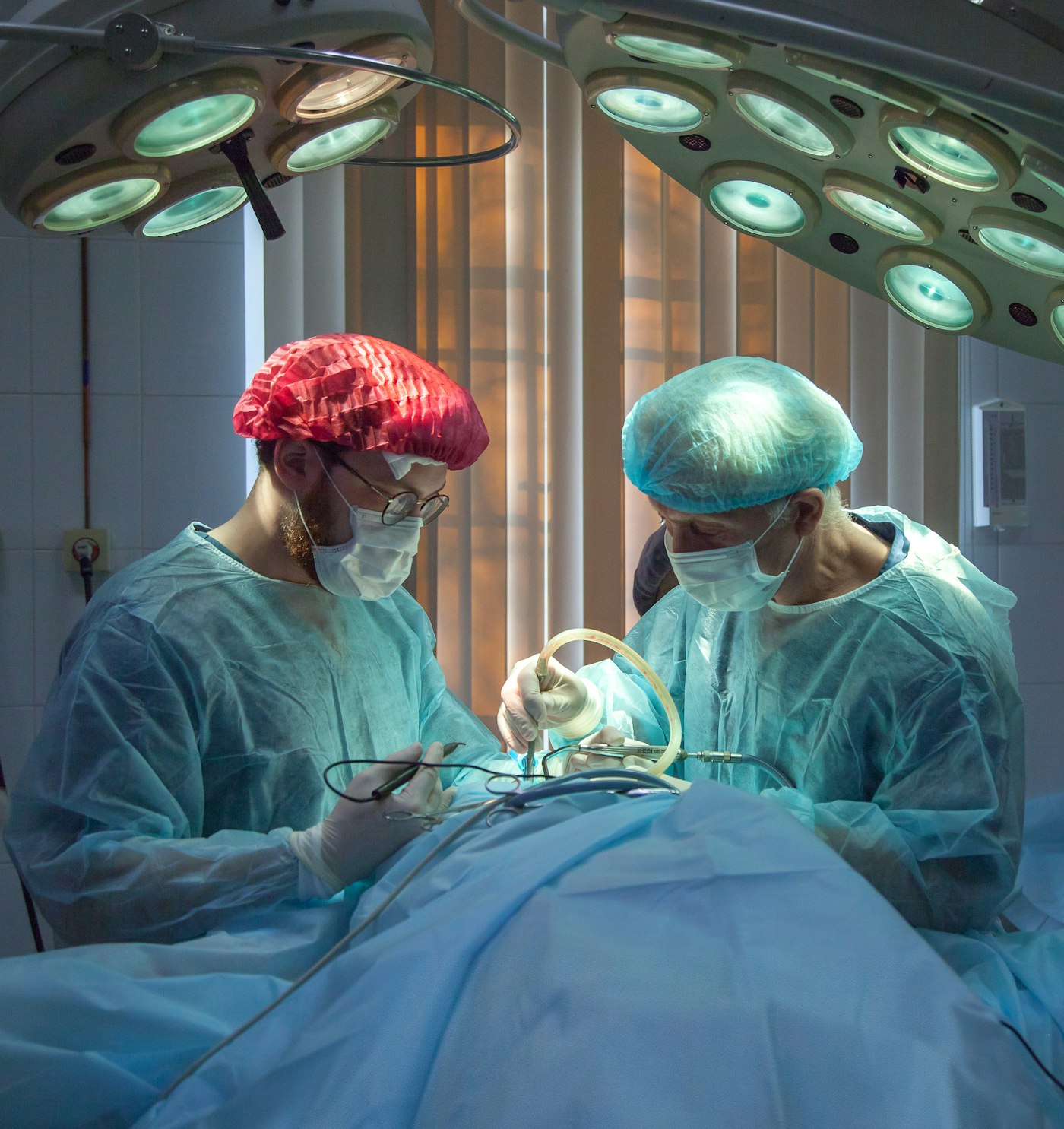
CRNA is structurally different from every other NP route on this site: it is doctoral (DNP-level) by national mandate, full-time, and presumes one to three years of high-acuity ICU experience before you apply. The pages below split the decision into three parts — accredited programs and what they expect, the prerequisites and certification path, and the salary framing. If you have not finished a BSN or do not yet have ICU hours, the requirements page is where to start.
New to the abbreviations? See the nursing terms glossary.
What does it take to become a CRNA?
A BSN and RN license, at least a year of critical-care RN experience, a competitive application, then a doctoral nurse-anesthesia program (36 months or longer). Doctoral entry-to-practice; graduates sit the National Certification Examination administered by the NBCRNA. The pages below cover programs, requirements, and salary in detail.
Pick where to go next
CRNA programs
Accredited nurse-anesthesia programs and what they expect
ViewCRNA requirements
Experience, prerequisites, and the certification path
ViewCRNA salary
Earnings framing, sourced where shown
ViewOnline CRNA programs
What "online" really covers in a hybrid nurse-anesthesia program
View
All programs
Other nursing degree pathways compared
View